
Why dried fruit is good for you
Drying takes the water out of fruit and leaves the goodness in. Here's what that means for your body, how it compares with fresh fruit, and how to enjoy it wisely.
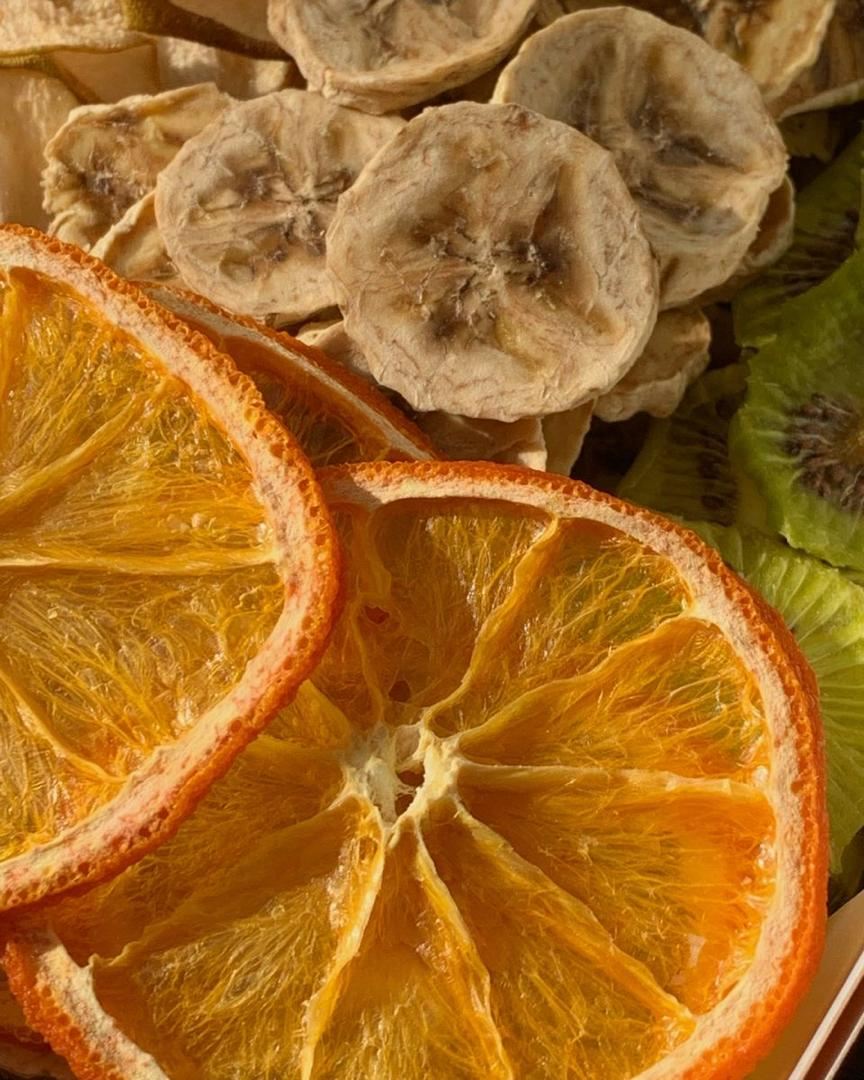
All the fruit, minus the water
As fruit dries, most of its water evaporates. The vitamins, minerals, fibre and natural sugars stay behind in a smaller, lighter piece. That's why a handful of dried fruit carries much of the nutrition of a much bigger pile of fresh fruit, and why it keeps for months without a fridge.
Ours is dried slowly, with no added preservatives, so what you taste is simply the fruit.
Small bites, big goodness
Nutrient dense
Dried fruit is a concentrated source of potassium, iron and fibre, and many kinds bring vitamin A and other micronutrients too. 30 g of raisins, for example, is only about 80 calories.
Rich in antioxidants
It's full of polyphenols, plant compounds that act as antioxidants and help the body handle oxidative stress. Diets rich in them are linked with better heart health and a lower risk of chronic disease.
Two to three times the fibre
Gram for gram, dried fruit has roughly two to three times the fibre of fresh. Fibre keeps digestion regular and can help lower cholesterol; a small serving covers around 10 to 16% of your daily needs.
Good for your bones
It brings minerals your bones rely on, such as potassium, magnesium and calcium, and some fruits, prunes and figs especially, add vitamin K and boron as well.
Natural energy
Natural fruit sugars give a quick lift for school, work, sport or a long drive, in a snack that's just fruit.
Keeps for months
With the water gone, dried fruit stays good for months in a sealed pouch. Seasonal fruit is there all year, and less of it goes to waste.
Dried fruit vs fresh fruit
Per 100 g. Calories and sugar use raisins and grapes as the example.
| Dried fruit | Fresh fruit | |
|---|---|---|
| Calories | About 299 (raisins) | About 69 (grapes) |
| Sugar | About 59 g (raisins) | About 15 g (grapes) |
| Fibre | 3.7 to 9.8 g, depending on the fruit | 1 to 3 g |
| Antioxidants | Concentrated: more in every bite | Lower per gram |
| Vitamins | Most are concentrated; vitamin C drops during drying | Full vitamin C, with more water |
| Feeling full | Small and easy to eat a lot of | Bulky and more filling |
A little goes a long way
- The sugar is concentrated too: drying doesn't add sugar, but it packs the fruit's own sugar into less weight. Raisins can be up to two-thirds sugar, against about 15% for fresh grapes.
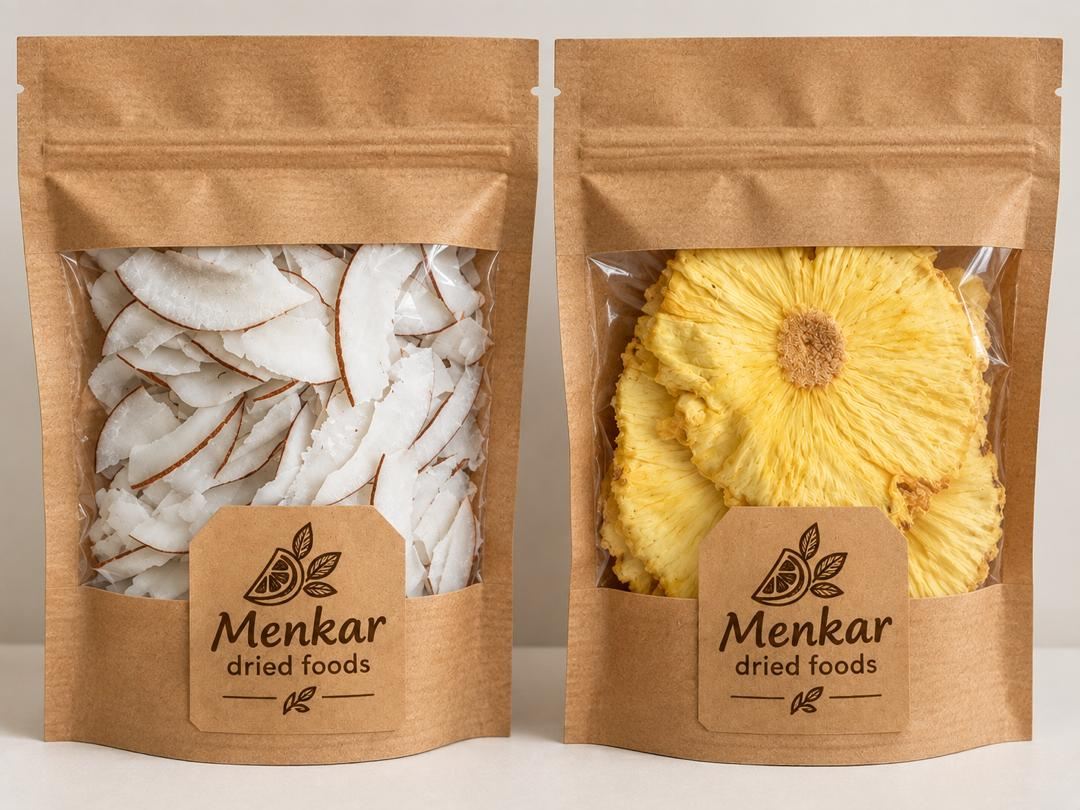
- Mind the portion: it's small and sweet, so it's easy to keep nibbling. One of our 22 g packs makes a handy single serving, and pairing it with nuts or yoghurt helps keep your blood sugar steady.
- Read the label: some dried fruit on the market has added sugar or preservatives such as sulphites. Ours has no added preservatives.
General information, not medical advice. If you're managing diabetes or another condition, ask your doctor or dietitian how dried fruit fits your diet.
Taste the goodness for $1
Pick your flavours, sizes and quantities in your order list.
Start your order